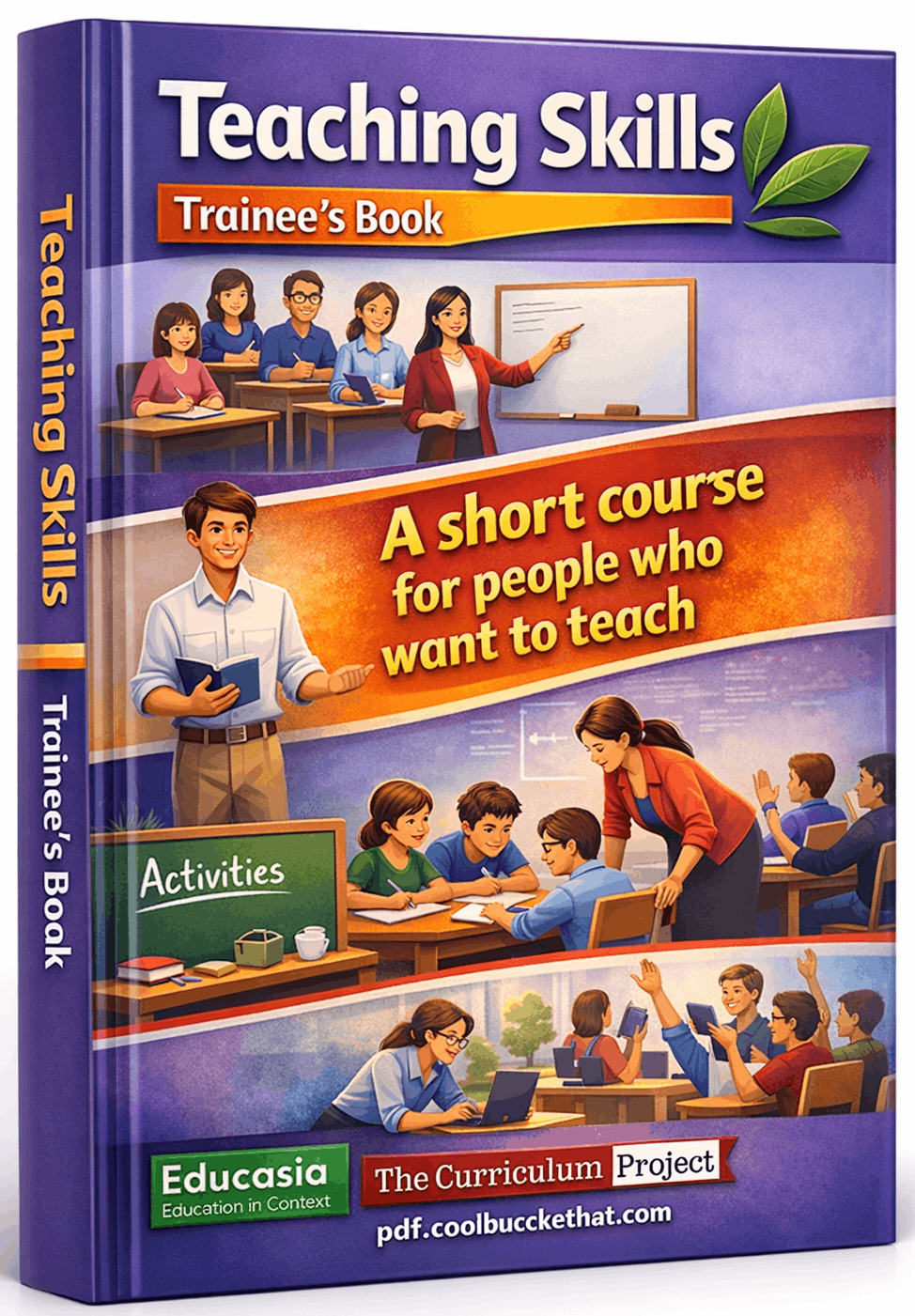
Teaching Skills – Trainees Book Guide for Future Educators
Teaching Skills – Trainees Book is an essential resource for anyone preparing to become a professional educator. Whether you are training to teach in primary schools, secondary schools, or adult education programs, strong teaching skills are the foundation of success. A well-structured trainees book provides practical strategies, classroom techniques, and reflective exercises that help new teachers develop confidence and competence.
Teaching is more than delivering information. It involves communication, planning, classroom management, assessment, and continuous self-improvement. Therefore, teacher training must combine theory with practice. In this guide, we will explore the key components of a Teaching Skills – Trainees Book and how it supports professional growth.
Why Teaching Skills Matter
Effective teaching influences student success directly. A knowledgeable teacher who lacks classroom management skills may struggle. On the other hand, a teacher with strong communication and planning skills creates a positive learning environment.
Teaching skills help trainees:
Plan engaging lessons
Manage classroom behavior
Adapt to different learning styles
Assess student progress effectively
Build strong teacher-student relationships
Therefore, teacher training programs focus heavily on practical skills rather than theory alone.
Core Areas Covered in a Teaching Skills – Trainees Book
A well-designed trainees book usually includes several essential modules. Each module targets a specific area of professional development.
1. Lesson Planning Skills
Lesson planning is one of the first skills trainee teachers must master. Without a clear plan, lessons can become unstructured and confusing.
A strong lesson plan includes:
Learning objectives
Warm-up activities
Main teaching content
Practice activities
Assessment tasks
Reflection time
Clear objectives are particularly important. Students should know what they are expected to learn by the end of the lesson. Moreover, activities should align with those objectives.
Trainees often practice writing lesson plans and receive feedback from mentors. This process helps refine planning skills.
2. Classroom Management Techniques
Classroom management is often challenging for new teachers. A Teaching Skills – Trainees Book typically provides strategies for maintaining order and promoting positive behavior.
Key classroom management strategies include:
Establishing clear rules from the beginning
Using positive reinforcement
Managing time effectively
Handling disruptions calmly
Encouraging student participation
Good classroom management creates a safe and supportive learning environment. As a result, students feel comfortable and focused.
3. Communication Skills for Teachers
Teaching requires clear and confident communication. Trainees must learn how to:
Questioning techniques are especially important. Open-ended questions promote critical thinking. Closed questions check understanding quickly.
For example:
Effective communication supports deeper learning.
4. Understanding Different Learning Styles
Students learn in different ways. Some are visual learners. Others prefer listening or hands-on activities.
A strong Teaching Skills – Trainees Book introduces strategies such as:
Visual aids (charts, diagrams, slides)
Group discussions
Practical exercises
Technology-based learning
By using varied teaching methods, educators can reach more students effectively.
5. Assessment and Feedback Skills
Assessment is not only about exams. It also includes ongoing evaluation during lessons.
Trainees learn to use:
Providing constructive feedback is equally important. Feedback should be:
Clear
Specific
Encouraging
Focused on improvement
For example:
Instead of saying, “This is wrong,” say, “Your idea is good, but you need more supporting details.”
Positive feedback motivates students.
Developing Reflective Practice
Reflection is a key part of teacher training. After each lesson, trainees should reflect on:
Reflective practice helps teachers grow continuously. Many trainees books include reflection journals or guided questions to support this process.
The Role of Practical Teaching Experience
Theory alone is not enough. Teaching practice in real classrooms is essential.
During practicum sessions, trainees:
Observe experienced teachers
Teach supervised lessons
Receive constructive feedback
Improve through repeated practice
This real-world experience builds confidence and practical skills.
Technology in Modern Teaching
Modern education often integrates digital tools. Therefore, trainee teachers must develop digital competence.
Common tools include:
A Teaching Skills – Trainees Book may include guidance on using technology effectively while maintaining student engagement.
Technology should support learning objectives, not distract from them.
Building Professional Confidence
Confidence is not automatic. It develops through preparation and experience.
New teachers may feel nervous during their first lessons. However, structured training reduces anxiety.
Confidence grows when trainees:
Professional development continues even after formal training ends.
Common Challenges for Trainee Teachers
Trainees often face several challenges, such as:
Managing mixed-ability classrooms
Handling disruptive behavior
Balancing time effectively
Maintaining student motivation
However, structured guidance and mentorship help overcome these challenges.
With patience and consistent practice, improvement becomes noticeable.
Lifelong Learning for Educators
Teaching is a lifelong learning profession. Even experienced educators continue developing their skills.
Professional growth may include:
A Teaching Skills – Trainees Book serves as the starting point for this ongoing journey.
Final Thoughts
Teaching Skills – Trainees Book provides essential guidance for future educators. It combines theory, practical exercises, and reflective activities to build strong teaching foundations. From lesson planning and classroom management to assessment and communication, each skill contributes to effective teaching.
Becoming a successful teacher requires dedication, practice, and self-reflection. While challenges are natural, structured training and continuous improvement lead to professional growth.
With the right preparation and mindset, trainee teachers can develop the confidence and skills needed to inspire and educate students effectively. Teaching is not just a career—it is a responsibility and an opportunity to shape the future.