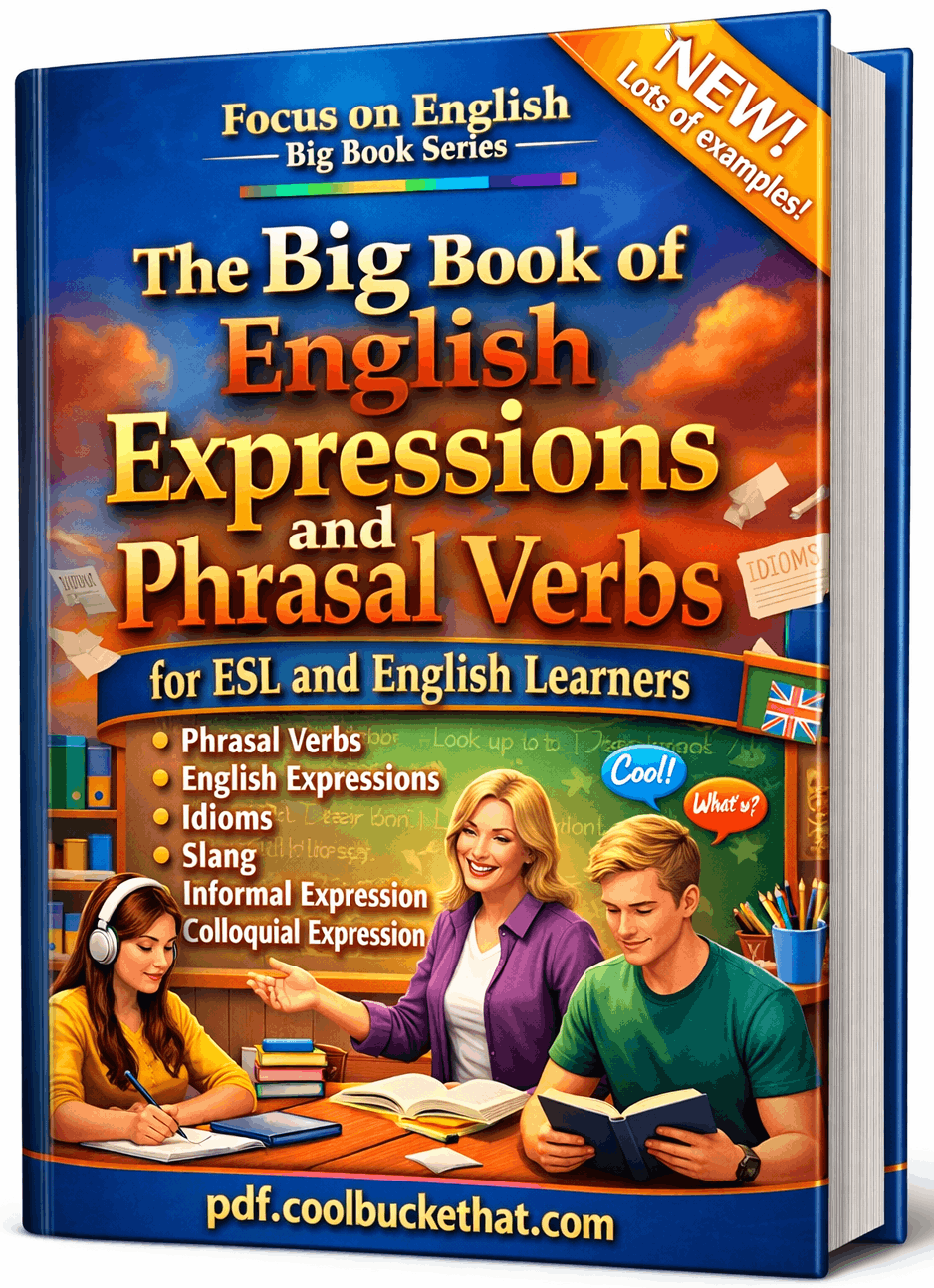
The Big Book of English Expressions Guide for Fluency
The Big Book of English Expressions is more than just a collection of phrases. It is a practical roadmap for learners who want to sound natural, confident, and fluent in everyday conversations. While grammar builds structure, expressions bring language to life. They help you speak like a native and understand real-world communication without confusion.
Many English learners know basic vocabulary. However, they often struggle with idioms, phrasal verbs, and common sayings. As a result, conversations can feel awkward or incomplete. That is why learning expressions is essential. When you understand how native speakers truly communicate, your confidence grows. In turn, your fluency improves.
In this article, we will explore why expressions matter, how they improve communication skills, and how you can use them effectively in daily life. Whether you are a beginner or an advanced learner, mastering expressions can transform the way you speak English.
Why English Expressions Matter
English is not just a language of rules. It is a language of patterns, culture, and common phrases. Native speakers rarely speak in textbook sentences. Instead, they use expressions naturally in conversation.
For example, instead of saying “I am very tired,” someone might say, “I am worn out.” Rather than saying “That is easy,” they may say, “It is a piece of cake.” These expressions make speech sound natural and engaging.
Without learning expressions, you may understand individual words but miss the meaning of the sentence. Therefore, studying expressions helps you understand both spoken and written English more clearly.
Moreover, expressions improve listening skills. When you recognize common phrases, you process conversations faster. As a result, you respond more confidently.
What Makes Expressions Powerful?
Expressions carry emotion and personality. They often reflect cultural habits and shared experiences. For instance, phrases like “break the ice” or “hit the books” are understood instantly by native speakers.
When you use expressions correctly, you sound more fluent. At the same time, your speech becomes more interesting. Instead of repeating simple words, you add variety to your communication.
Additionally, expressions improve writing skills. Blog posts, emails, and social media captions become more dynamic when natural phrases are used. Consequently, your communication feels more authentic.
Learning from The Big Book of English Expressions allows learners to explore hundreds of commonly used phrases in one place. This organized approach saves time and reduces confusion.
Types of English Expressions You Should Know
To build fluency, it is important to understand different categories of expressions. Each type plays a unique role in communication.
1. Idioms
Idioms are phrases whose meanings are different from the literal meaning of the words. For example, “under the weather” means feeling sick. If you translate it word by word, the meaning becomes unclear.
Because idioms are widely used, learning them helps you understand real conversations.
2. Phrasal Verbs
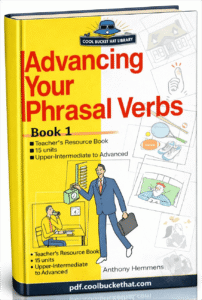
Phrasal verbs combine a verb with a preposition or adverb. For instance, “give up,” “look after,” and “turn down” are common examples. These expressions are essential in daily English.
Many learners avoid phrasal verbs because they seem confusing. However, they are used constantly in spoken English. Therefore, mastering them is necessary for fluency.
3. Collocations
Collocations are words that naturally go together. For example, we say “make a decision” instead of “do a decision.” Learning these combinations prevents unnatural speech.
4. Everyday Sayings
These are informal expressions used in daily life. Phrases like “no worries” or “hang in there” create friendly and relaxed communication.
By studying The Big Book of English Expressions, learners can explore all these categories in a structured and easy way.
How Expressions Improve Speaking Skills
Speaking fluently requires speed and confidence. When you rely only on grammar rules, you may hesitate. However, when expressions are memorized and practiced, speaking becomes smoother.
First, expressions reduce thinking time. Instead of creating sentences from scratch, you use ready-made phrases. This speeds up communication.
Second, expressions help you connect with others. Conversations feel natural and engaging. As a result, people respond more positively.
Third, expressions help you express emotions clearly. Saying “I am over the moon” sounds more expressive than simply saying “I am happy.”
Therefore, incorporating expressions into daily practice is essential for learners who want to sound natural.
Practical Ways to Learn and Remember Expressions
Learning expressions does not have to be difficult. In fact, simple daily habits can make a big difference.
Read Regularly
Reading blogs, articles, and short stories exposes you to natural expressions. While reading, highlight phrases that stand out. Later, review them and create your own examples.
Listen Actively
Podcasts, interviews, and videos are excellent resources. Pay attention to repeated phrases. When an expression is heard multiple times, it becomes easier to remember.
Write Your Own Sentences
After learning a new expression, use it immediately. For example, if you learn “call it a day,” write: “I am tired. Let’s call it a day.”
Active usage strengthens memory.
Practice Speaking Aloud
Say expressions out loud in different situations. Imagine conversations. This builds confidence and improves pronunciation.
By following these steps consistently, progress becomes noticeable within weeks.
Avoiding Common Mistakes with Expressions
While expressions are powerful, they must be used correctly. Overusing them can sound unnatural. Therefore, balance is important.
Additionally, always understand the meaning before using an expression. Some phrases are informal, while others are suitable for professional settings.
For example, saying “What’s up?” may be appropriate with friends. However, it may not fit a formal email. Understanding context prevents misunderstandings.
Furthermore, avoid translating expressions directly into your native language. Instead, learn them as complete phrases.
Expressions and Cultural Understanding
Language reflects culture. Many English expressions have historical or cultural origins. Learning them provides insight into English-speaking societies.
For instance, sports-related expressions such as “level playing field” or “throw in the towel” come from sports contexts. Business environments often use these phrases metaphorically.
Understanding cultural meaning improves comprehension. Moreover, it allows you to use expressions naturally in the right context.
That is why resources like The Big Book of English Expressions are valuable. They often explain not only meanings but also usage and context.
Building a Daily Expression Routine
Consistency is key to mastering expressions. Therefore, create a simple daily routine.
Morning: Learn one new expression and review three old ones.
Afternoon: Use the new expression in writing.
Evening: Practice speaking it in a short conversation.
This structured approach prevents overload. At the same time, it ensures regular revision.
Within a few months, your collection of expressions will grow significantly. More importantly, your fluency will improve naturally.
Why Expressions Make You Sound Fluent
Fluency is not about using complicated vocabulary. Instead, it is about sounding natural and confident. Expressions help you achieve that goal.
Native speakers rely heavily on fixed phrases. Therefore, when you use similar patterns, your speech aligns with natural English rhythm.
Moreover, expressions improve listening comprehension. When common phrases are recognized instantly, conversations feel easier to follow.
In professional settings, expressions also add clarity and persuasion. For example, saying “Let’s get the ball rolling” sounds proactive and engaging.
Over time, regular practice with The Big Book of English Expressions can transform passive knowledge into active fluency.
Final Thoughts
Mastering English expressions is one of the smartest steps toward fluency. While grammar builds the foundation, expressions add color and personality to communication.
By learning idioms, phrasal verbs, collocations, and everyday sayings, you expand your ability to connect with others. Furthermore, you reduce hesitation and increase confidence.
Remember to practice consistently. Read, listen, write, and speak regularly. Focus on understanding context and meaning. Avoid overusing phrases, and aim for natural communication.
With dedication and the right resources, your English will become more expressive and dynamic. Step by step, conversation by conversation, fluency will grow.
In the end, expressions are not just phrases. They are tools for connection. And when used wisely, they open the door to confident and effective communication.